
Final Assessment
Associate Professor of Psychiatry, University of Wisconsin-Madison
Medical Director, Wisconsin Institute for Sleep and Consciousness
 Dr. David T. Plante, MD, PhD, is an Associate Professor of Psychiatry at the University of Wisconsin-Madison. He also serves as the Medical Director of the Wisconsin Institute for Sleep and Consciousness. Dr. Plante received his medical degree from the University of North Carolina School of Medicine. He completed his residency in Adult Psychiatry at Massachusetts General Hospital/McLean Hospital and a fellowship in Sleep Medicine at Brigham and Women's Hospital in Boston, MA.
Dr. Plante is board certified in both psychiatry and sleep medicine. His research focuses on the pathophysiology and evaluation of disorders of central hypersomnolence, particularly hypersomnolence comorbid with affective illness. He is involved in various aspects of sleep medicine, including treatment for conditions like narcolepsy, sleep apnea, insomnia, and circadian rhythm disorders.
Professor of Neurology; Vice Chair for Academic Affairs
UMass Chan Medical School–Baystate
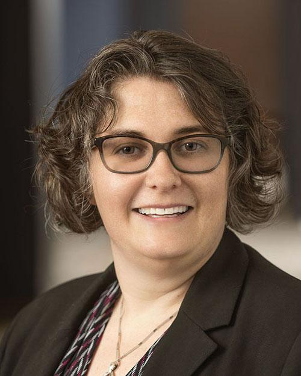 Karin G. Johnson, MD, FAAN, FAASM is a Professor of Neurology at the UMass Chan Medical School–Baystate, where she serves as Vice Chair for Academic Affairs and Medical Director of the Baystate Health Regional Sleep Program. She is Sleep Section Chair for the American Academy of Neurology and has national advocacy roles as Vice President of Save Standard Time and Co-Chair of the Coalition for Permanent Standard Time. Dr. Johnson’s clinical and scholarly work centers on sleep health and central nervous system disorders, with a focus on how circadian alignment affects neurologic outcomes.


