
Final Assessment
Vice-Chair, Dept. Family Medicine
Campbell University School of Osteopathic Medicine
Bariatrician WakeMed Bariatric Surgery
and Medical Weight Loss
Cary, North Carolina
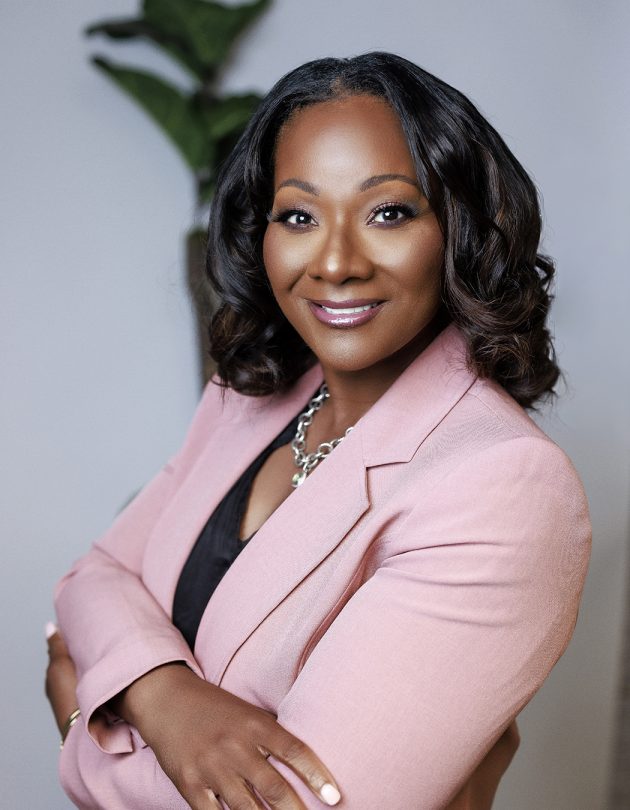 Tiffany N. Lowe Clayton, (a.k.a Dr. TLC), is an assistant professor and director of clinical education at Campbell University School of Osteopathic Medicine in Lillington, North Carolina. She is also an obesity medicine specialist at WakeMed Bariatric Surgery and Medical Weight Loss, with practices in both Cary and Fuquay-Varina, North Carolina. Additionally, she is the Founder and CEO of the Institute of Transformational Health and Wellness, Inc. in Wendell, North Carolina. She earned her medical degree in 2000 from Rowan University School of Osteopathic Medicine in Stratford, New Jersey, where she also completed an internship and residency in family medicine in 2003. A consummate teacher at heart, Dr. TLC is the author of the best-selling book, “A Woman’s Guide to De-Stress for Success: 10 Essential Tips to Conquer Stress and Live At Your Best.” In her personal life, Dr. TLC is a devoted wife, mother, and “Glamma.” She enjoys spending time with her family as well as traveling, singing and recreational boxing.
Medical Director, Medical Weight Management
Center of Canada
Assistant Professor (Adjunct) McMaster University
Hamilton, ON
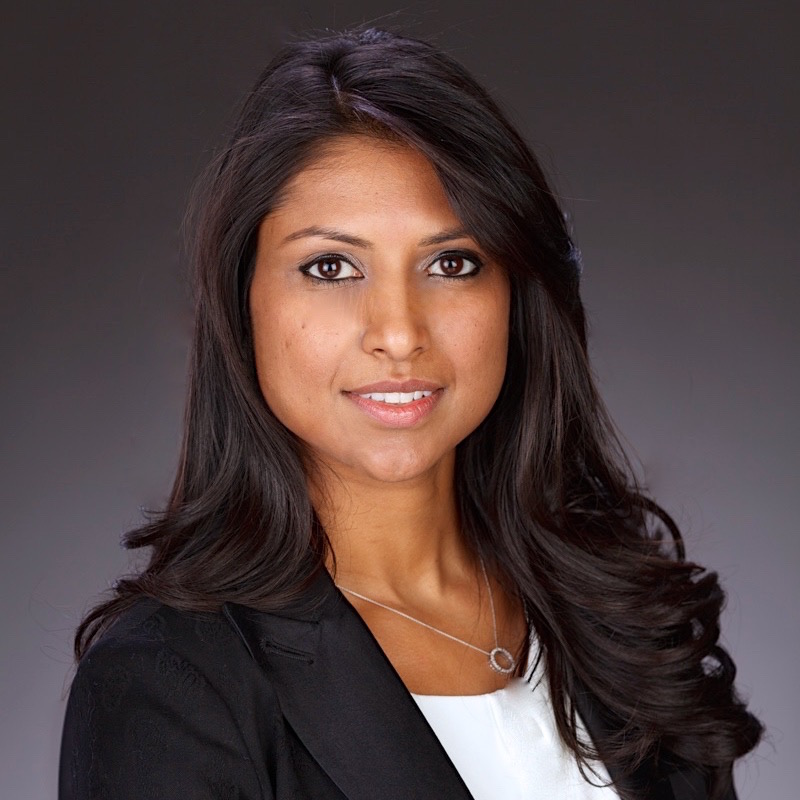 Dr. Megha Poddar is an endocrinologist and obesity medicine specialist in Canada with extensive experience leading clinical and educational initiatives in metabolic health. She serves as Medical Director of an interdisciplinary national obesity program that integrates behavioral therapy and pharmacotherapy, and she is a co-author of the 2025 Canadian Obesity Clinical Practice Guidelines and the global ICHOM obesity data set standardized PROMs. Dr. Poddar is a global thought leader in advancing access to evidence-based obesity care, with a focus on integrating GLP-1 therapies into specialty practice. At nymble Health, she is developing innovative digital platforms to support patient education, adherence, and long-term outcomes.
Professor of Family and Community Medicine
Sidney Kimmel Medical College
Thomas Jefferson University
Associate Director
Family Medicine Residency Program
Jefferson Health - Abington
 Dr. Neil Skolnik, MD, is a Professor of Family and Community Medicine at the Sidney Kimmel Medical College of Thomas Jefferson University and Associate Director of the Family Medicine Residency Program at Jefferson Health - Abington. Dr. Skolnik has written and edited 6 books and has published more than 500 articles, columns, poems, essays and webinars in both the medical and lay literature including publications in JAMA, JAMA Internal Medicine, Annals of Internal Medicine, Circulation, Medscape, Philadelphia Inquirer and USA Today. He has served on the Expert Panel Report 4 (EPR-4) Working Group, National Asthma Education and Prevention Program Coordinating Committee, National Heart Lung Blood Institute (NHLBI) – the committee that developed the 2020 NIH Asthma Guidelines. He hosts and produces “Diabetes Core Update,” the American Diabetes Association’s official monthly podcast that reviews the most important new articles to come out in the diabetes literature every month, as well as “Diabetes Day by Day”, the ADA’s podcast for people with diabetes. He tries to make sure that each day he spends at least 30 minutes playing the guitar and, to the chagrin of his wife, singing.


